
Mental health is a deeply personal journey, one that we all navigate in our own way. For years, I thought taking care of my mental health meant pushing through tough days, ignoring the signs, and hoping things would magically get better. Spoiler alert: they didn’t. It wasn’t until I discovered the power of reflection and journaling that I started to understand myself on a deeper level.
In this blog, I’ll share my story, the lessons I’ve learned, and how something as simple as a journal can create space for healing, growth, and balance. This isn’t about perfection or quick fixes—it’s about finding tools that work for you, at your pace.
My Mental Health Wake-Up Call
A few years ago, I hit a wall. I was juggling a demanding job, relationships, and the expectations I had set for myself. On the outside, everything looked fine, but inside, I felt completely overwhelmed. Sleepless nights turned into days where even the smallest tasks felt impossible. I told myself to just “push through,” but that only made things worse.
One day, a close friend asked me a simple question: “How are you, really?” I wanted to say “I’m fine,” but the words wouldn’t come out. Instead, I broke down. That moment was a turning point. It made me realize that ignoring my mental health wasn’t sustainable, and I needed to make a change.
The Power of Small Steps
If you’re struggling with your mental health, the idea of making changes can feel overwhelming. For me, it started with the smallest step: writing down how I felt. At first, it was messy and unstructured. Some days, I wrote a single word: “tired.” Other days, I filled pages with my thoughts, frustrations, and questions.
What surprised me was how much lighter I felt after getting those thoughts out of my head and onto paper. It didn’t solve everything, but it gave me clarity. I started to notice patterns, like how certain situations triggered anxiety or how a good night’s sleep made a huge difference in my mood.
Why Reflection Matters
Reflection became a cornerstone of my mental health journey. Here’s why:
- It creates awareness. When you take time to reflect, you start to understand what’s really going on beneath the surface. It’s not about judging yourself but about noticing patterns and triggers.
- It gives you perspective. Writing things down helps you step back and see the bigger picture. Problems that felt enormous often seemed more manageable once I saw them on paper.
- It builds self-compassion. Through reflection, I learned to be kinder to myself. Instead of beating myself up for feeling anxious, I started asking, “What do I need right now?”
How Journaling Fits In
Journaling became my go-to tool for reflection. It’s simple, accessible, and incredibly effective. You don’t need to be a writer or have perfect grammar. Your journal is your space to be honest, messy, and real.
Here are a few ways I used journaling to support my mental health:
Morning Pages
Every morning, I spent five minutes writing whatever came to mind. It was a way to clear my head and set an intention for the day. Sometimes it was as simple as, “Today, I will take things one step at a time.”
Evening Reflection
At the end of the day, I used my journal to reflect on what went well, what was challenging, and what I could learn. This practice helped me end the day with gratitude and clarity.
Prompts for Clarity
When I felt stuck, I turned to prompts like:
- What’s one thing I’m proud of today?
- What’s one thing I can do tomorrow to feel more at ease?
- How did I take care of myself today?
Lessons I’ve Learned
Through journaling and reflection, I’ve learned some valuable lessons about mental health:
- It’s okay to not be okay. Pretending everything is fine doesn’t help. Acknowledging your feelings is the first step toward healing.
- Small changes add up. You don’t have to overhaul your life overnight. Focus on small, manageable steps that feel doable.
- You’re not alone. Talking to friends, family, or a therapist can make a huge difference. Sharing your story helps you feel less isolated.
- Reflection builds resilience. When you take time to reflect, you develop tools to handle challenges more effectively.
Why I Love the Reflect Journal
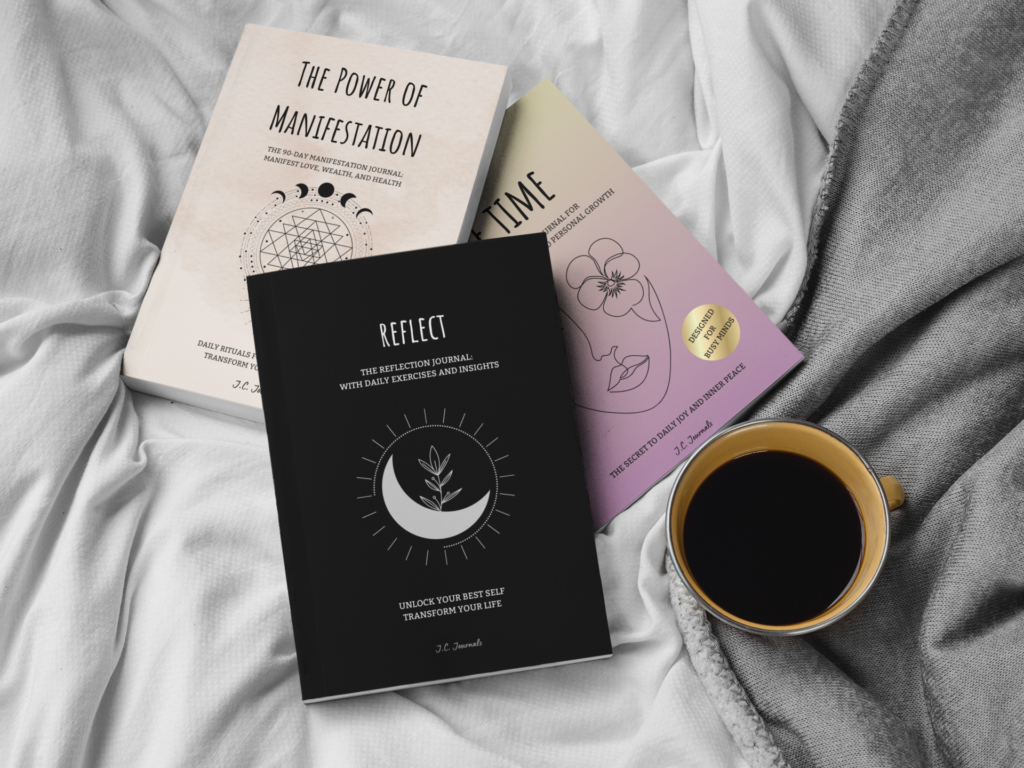
One of the tools that has been incredibly helpful for me is the Reflect Journal. It’s designed with prompts for both morning and evening, making it easy to build a routine of reflection. The structured pages guide you to focus on what matters, while the blank spaces allow for free writing.
Using the Reflect Journal has made my journaling practice more intentional. It’s not just about venting but about creating a habit of mindfulness and self-awareness. If you’re looking for a way to start your own reflection journey, I highly recommend it. You can find it on Amazon.com.
A Challenge for You
If you’ve been feeling overwhelmed or disconnected, I invite you to try this simple exercise:
- Grab a notebook or journal.
- Set a timer for five minutes.
- Write about how you’re feeling right now, without judgment.
- End with one thing you’re grateful for today.
It might feel awkward at first, but stick with it. Over time, you’ll start to notice the benefits.
Final Thoughts
Taking care of your mental health isn’t a straight path, and it’s not always easy. But it’s worth it. Through reflection and journaling, I’ve learned to navigate challenges with more grace and self-compassion. I’m not perfect, and I don’t have all the answers, but I’ve found tools that help me move forward—one step, one page at a time.
If you’re ready to explore journaling as part of your mental health journey, consider starting with the Reflect Journal. It’s a simple yet powerful way to create space for yourself, reflect on your day, and build habits that support your well-being. You can find it on Amazon.com.
Remember, your mental health matters. You matter. And every step you take, no matter how small, is a step toward a healthier, more balanced you.